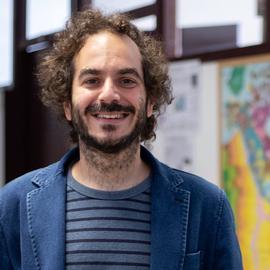
Daniel Pastor-Galán
Científico Titular and Assistant Professor (助教) of Tectonics
Consejo Superior de Investigaciones Científicas (CSIC)
Tohoku University
Biography
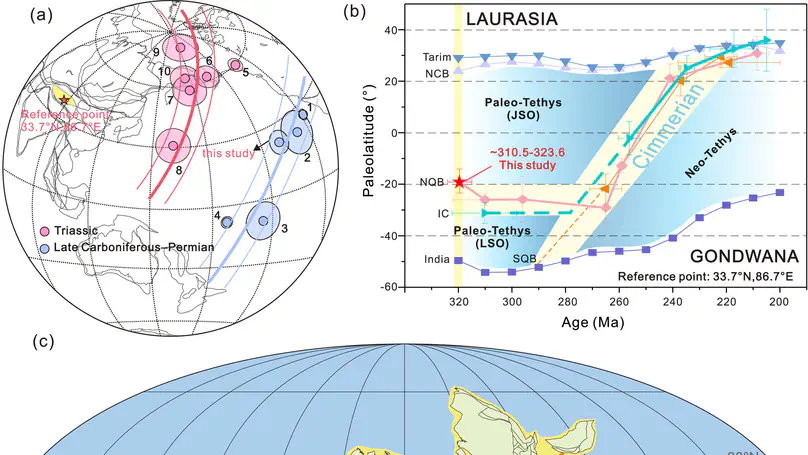
The Earth has written its own history in thousands of rock pages, the geological record, which contains evidence of the evolution and interactions of continents, oceans, atmosphere, and biosphere. Despite the rock archive is really dismembered, scattered and hidden in remote places or deeply buried, gathering the pieces together is our only opportunity to reveal the history of our planet, our history. I am a researcher who works in plate tectonics, paleogeography, geodynamics and Earth history combining field geology, paleomagnetism, geochemical and geophysical methods and plate modeling.
I completed my Ph.D. at Universidad de Salamanca (Spain) in 2012. Since then and until 2016 I was a postdoctoral fellow at Utrecht University (The Netherlands). Later I obtained the prestigious JSPS postdoctoral fellow (Japan Society for Promotion of Science) to study the tectonic evolution of the Paleotethys and Panthalassa oceans interface during the Pangea amalgamation. Since then I have been Assistan Professor at Tohoku University (2019-2026), Ramón y Cajal Fellow at the University of Granada (2021-2023) and ‘Científico Titular’ (Scientist) at the Spanish Research Council (CSIC).
- Plate Tectonics
- Paleogeography
- Geodynamics
- Earth History
- Paleomagnetism
PhD in Geology, 2012
Universidad de Salamanca
Licenciado (BSc + MSc) in Geology, 2007
Universidad de Salamanca
Experience

Geodynamics:
- Global Tectonics
- Paleomagnetism
- Continental Crust


Recent Publications
Team
Eduardo Toledo
PhD student 2026-
Alice Maremmani
PhD student 2025-
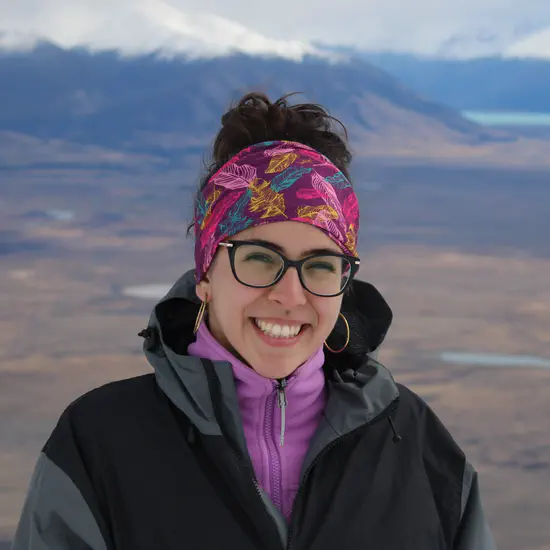
Catalina Galán
PhD student 2025-
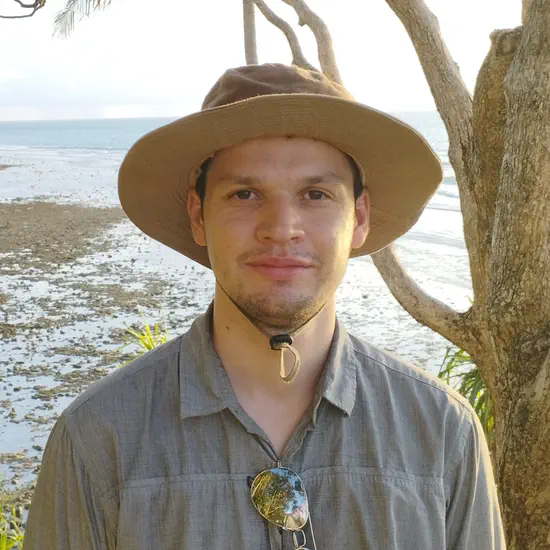
Oliver Ross
PhD student 2025-
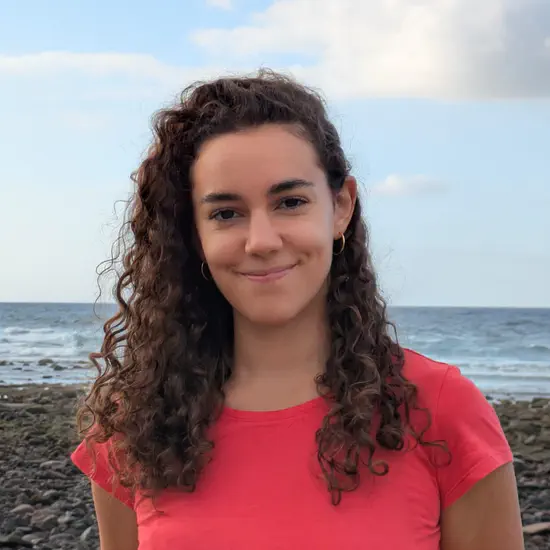
Patricia Rodríguez Batista
PhD student 2025-
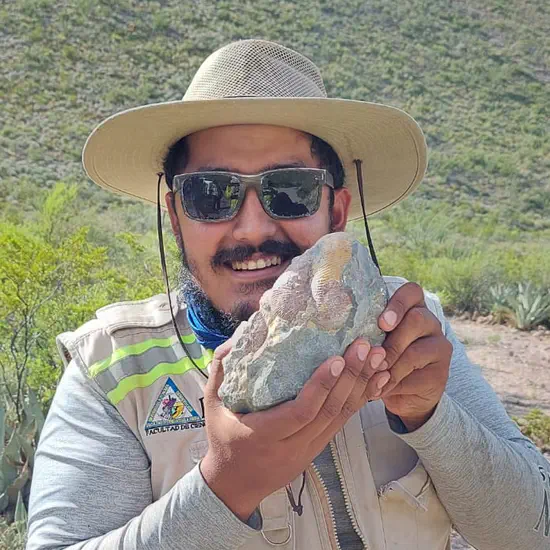
Rafael Guerra
PhD student 2021-2024
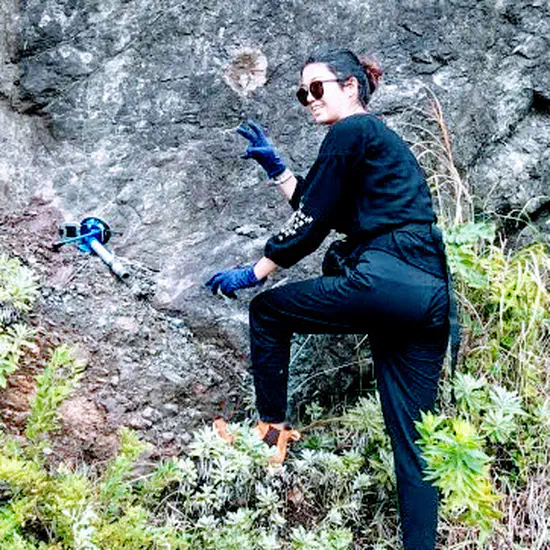
Ariuntsetseg Ganbat
PhD student 2018-2021
Bart Ursem
BSc student 2014
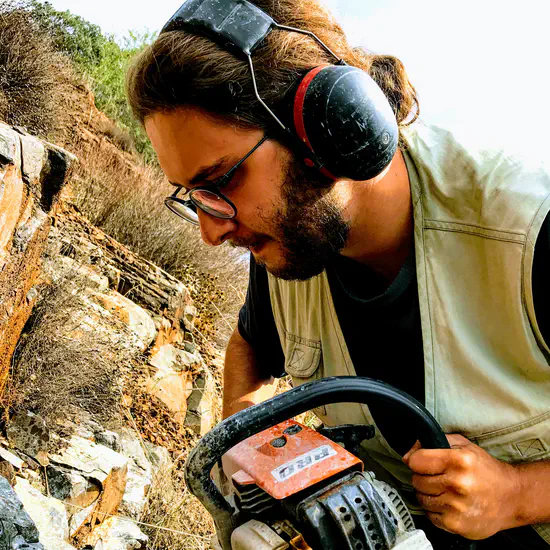
Bruno Daniel Leite Mendes
MSc student 2018-2019
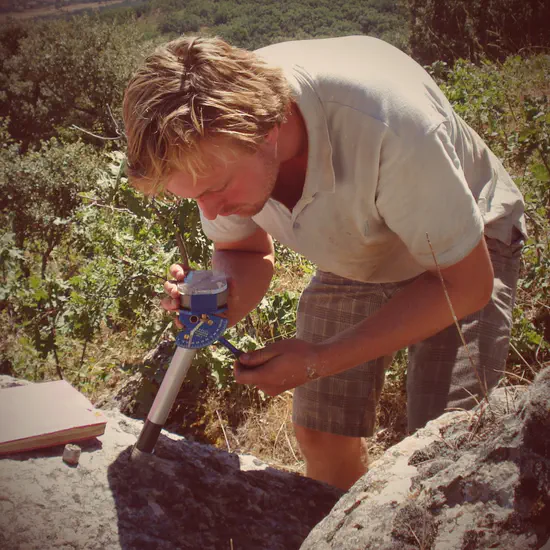
Daniël Brouwer
MSc student 2014
Mark Diederen
BSc student 2015
Oscar Groenhof
BSc student 2013, MSc Student 2014
Pol Vilanova Català
BSc student 2021
Samuel Rudbar
MSc student 2022
Shōta Matsunaga (松永翔太)
BSc student 2018-2019
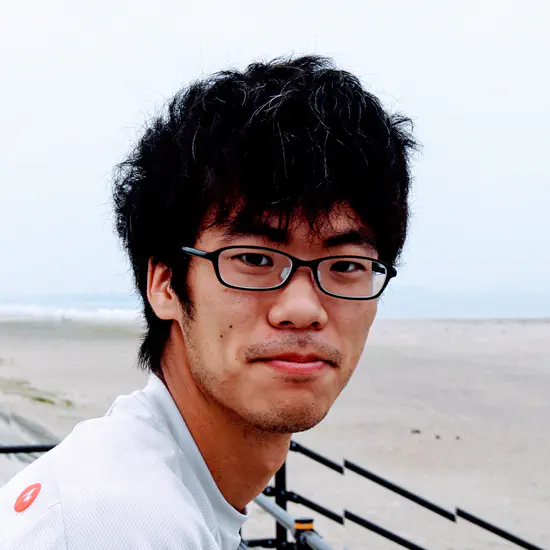
Tan Furukawa (古川旦)
BSc student 2018-2019
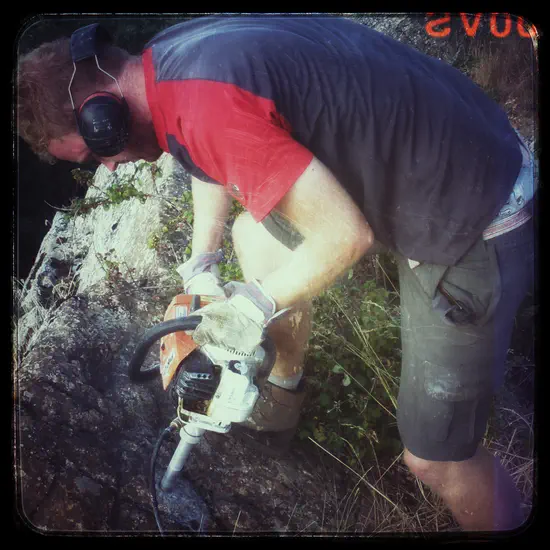
Thomas Groenewegen
MSc student 2013
Contact
Fantastic beast and where to find me
My office hours may vary through the year due to the hybrid work from home/office of the CSIC. Check on my mail if you are planning to visit at least one day in advanced!
- dpastorgalan@csic.es
- Doctor Severo Ochoa 7, Madrid, 28040
- The former morgue of the Medicine Faculty! You can access through the line 6 of the Metro in the Ciudad Universitaria stop.